

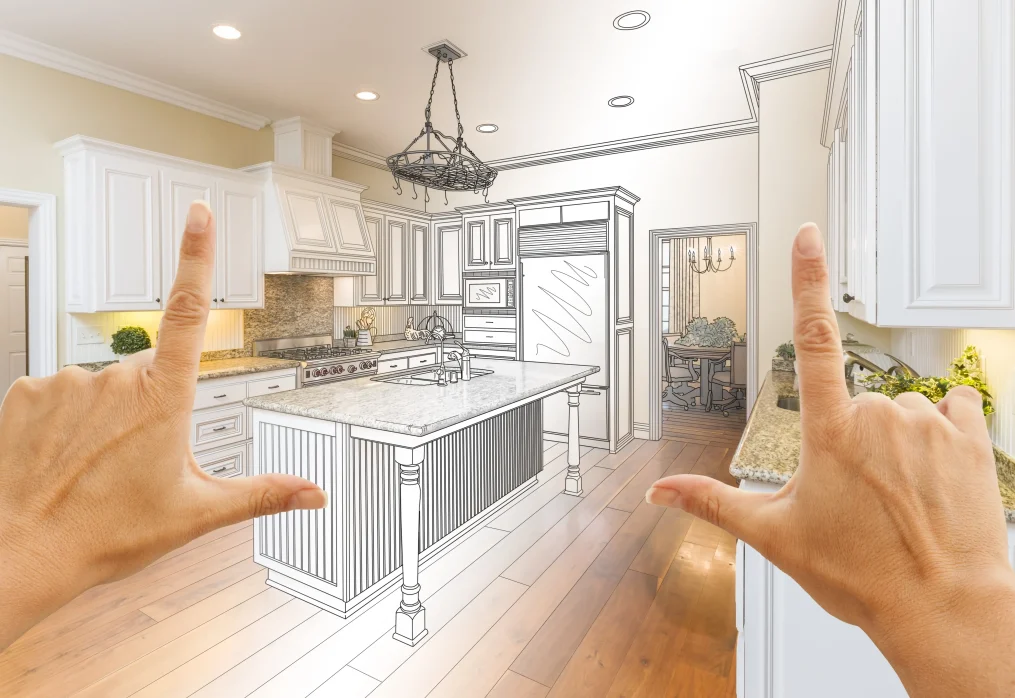
A custom home designer plays a vital role in shaping a home from the first idea to the final permit package. Their work goes far beyond drawing floor plans. They guide concept development, refine layouts, ensure compliance with Alberta building codes, create technical construction documents, and coordinate with engineers and builders.
Each decision they help make influences cost, comfort, function, and long-term livability. For Alberta homeowners planning a custom build, understanding this process makes the entire journey clearer and more predictable.
The Role of a Custom Home Designer
A custom home designer is responsible for translating a homeowner’s ideas into a functional and buildable home design. This requires balancing creativity with construction knowledge and regulatory expectations.
Designers ensure that the layout fits the client vision, that the spaces function effectively, and that the entire design aligns with Alberta regulations. They provide the planning foundation that builders rely on. Without a designer guiding the design scope and feasibility, it becomes much harder to create a home that looks right, works well, and is approved by the municipality.
Early Concept Development and Vision Alignment
Every custom home project begins with building clarity. Designers spend time understanding what the homeowner wants, how they live, and what the site demands. This stage shapes the structure of the entire project, because the early concept determines direction, budget expectations, and design potential.
Client Discovery and Needs Assessment
Designers begin with conversations and questionnaires that uncover daily routines, lifestyle needs, and long-term expectations. They assess the site conditions, review solar orientation, consider the Alberta climate, and align design ideas with the client’s budget. This stage ensures the design is built around the client rather than forcing the client to adapt to the design.
Concept Sketches and Preliminary Layout Ideas
Early sketches help visualize possibilities. Designers explore spatial relationships, circulation patterns, and adjacency preferences. These initial drawings clarify square footage expectations and offer a visual starting point. Homeowners can see how different rooms connect and how the home might function before any drafting begins.
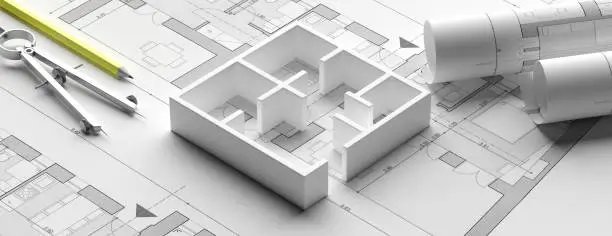
Space Planning and Functional Layout Design
Once the concept is established, designers begin shaping the layout in detail. They plan spaces so the home supports comfort, efficiency, and lifestyle. The goal is a layout that makes daily living intuitive and enjoyable.
Interior Zoning and Circulation Flow
Designers organize the home into zones that separate public and private areas and define how people move through the space. They consider room adjacency, circulation patterns, and how to make the layout feel natural. Effective zoning reduces wasted space and improves everyday function.
Layout Optimization for Lifestyle and Comfort
Designers incorporate ergonomic principles, accessibility, natural lighting, and sight lines into the layout. They determine how open the main living areas should feel, how storage can be integrated, and how to maximize comfort and convenience. These details directly affect the long-term experience of the home.
Drafting and Technical Design Development
After concepts and layout decisions are approved, designers convert ideas into detailed construction documents. These drawings must be accurate, readable, and complete. Builders, engineers, and permit reviewers rely on them throughout the entire build.
Detailed Floor Plans
Floor plans include room dimensions, wall placements, door swings, window sizes, and layout verifications. They are the primary reference for understanding how the interior functions and how each space fits together.
Exterior Elevations
Elevations show the home from each exterior side. They illustrate roof pitch, material choices, window alignment, and overall style. This helps homeowners see the character of the home and helps builders understand proportions and exterior construction details.
Building Sections and Construction Details
Sections reveal what happens inside the walls and floors. They show structural layers, mechanical clearances, insulation assemblies, and ceiling heights. These drawings ensure the home is feasible to build and performs well once completed.
3D Models and Visualization
Renderings and 3D models help homeowners visualize the home before construction. They provide clarity around lighting, materials, massing, and spatial flow. This step often makes decision making faster and more confident.
Coordination With Engineers and Builders
A custom home designer does not work alone. They coordinate with structural and mechanical engineers and communicate with builders so the design is practical and aligned with budget expectations.
Structural Engineering Integration
Designers work with engineers to confirm load-bearing placements, beam sizing, foundation designs, and mechanical routing. This ensures the design translates accurately into a structural plan that meets Alberta’s safety standards.
Builder Collaboration and Cost Guidance
Designers discuss material selections, layout feasibility, and construction costs with builders. They help adjust the design when necessary so the project stays on budget without compromising the overall intent. This collaboration reduces surprises during construction.
Permit-Ready Drawings and Approval Support
Once all decisions are finalized, designers prepare the official construction document package required for municipal approval.
Permit Package Preparation
The permit set includes floor plans, elevations, building sections, site plans, energy reports, and documents stamped by engineers. Designers ensure everything meets the Alberta Building Code and municipal requirements.
Application Submission and Revision Handling
Designers help clients navigate the municipal review process. If the municipality requests revisions, the designer updates the plans and resubmits them. This support avoids delays and helps the project progress smoothly toward approval.
Why Working With a Professional Designer Matters
A professional custom home designer brings clarity, efficiency, and technical accuracy to a process that can otherwise become overwhelming. They reduce construction mistakes, improve cost control, create better layouts, and prepare accurate permit documents. Their expertise leads to a home that is more functional, more comfortable, and better aligned with the client’s vision.
Start Your Custom Home Design With DRAW Designs
DRAW Designs is a trusted partner for homeowners across Alberta who want a home designed with care, accuracy, and creativity. The team offers full concept-to-permit design services, detailed drafting, collaboration with engineers and builders, and recognized expertise in residential design. If you are planning to build a custom home, DRAW Designs can guide you through every step from your first ideas to your permit-ready drawings.