

Building a custom home takes longer than many homeowners expect, especially when timelines are discussed before design and planning begin. While some projects move quickly, others slow down due to permitting, weather, or design changes. Draw Designs helps Alberta homeowners set realistic expectations early so projects stay on track and avoid unnecessary delays.
Design and Planning Stage
The design phase sets the direction for the entire build. This stage includes initial consultations, concept development, revisions, and final construction drawings.
In Alberta, the design phase typically takes:
- 2 to 4 months for straightforward custom homes
- 4 to 6 months for complex layouts or rural properties
Projects move faster when homeowners make decisions early and stay aligned on scope and budget. Delays often occur when plans change late or approvals stall. This is where early custom home planning support helps reduce revisions before permits are submitted.
Permits and Approvals
Once drawings are complete, permit applications move forward. Approval timelines depend on municipality, location, and project complexity.
Typical approval timelines include:
- Urban municipalities: 4 to 8 weeks
- Rural counties or acreages: 6 to 12 weeks
Some builds require additional approvals for grading, septic systems, or access roads. Working through structured development consulting helps avoid resubmissions and keeps the approval process moving.
Site Preparation and Excavation
After permits are approved, site work begins. This phase includes clearing, excavation, servicing, and foundation preparation.
In Alberta, site preparation usually takes:
- 2 to 4 weeks for serviced urban lots
- 3 to 6 weeks for rural sites with grading or access challenges
Weather has a major impact here. Heavy rain, frozen ground, or early snowfall can slow excavation and concrete work.
Framing and Structural Work
Framing establishes the structure and shape of the home. Once framing starts, progress becomes more visible and consistent.
Typical framing timelines include:
- 4 to 6 weeks for average sized homes
- 6 to 8 weeks for larger or more complex designs
Delays at this stage usually come from material availability, labor shortages, or design changes discovered during construction.
Mechanical Rough Ins and Inspections
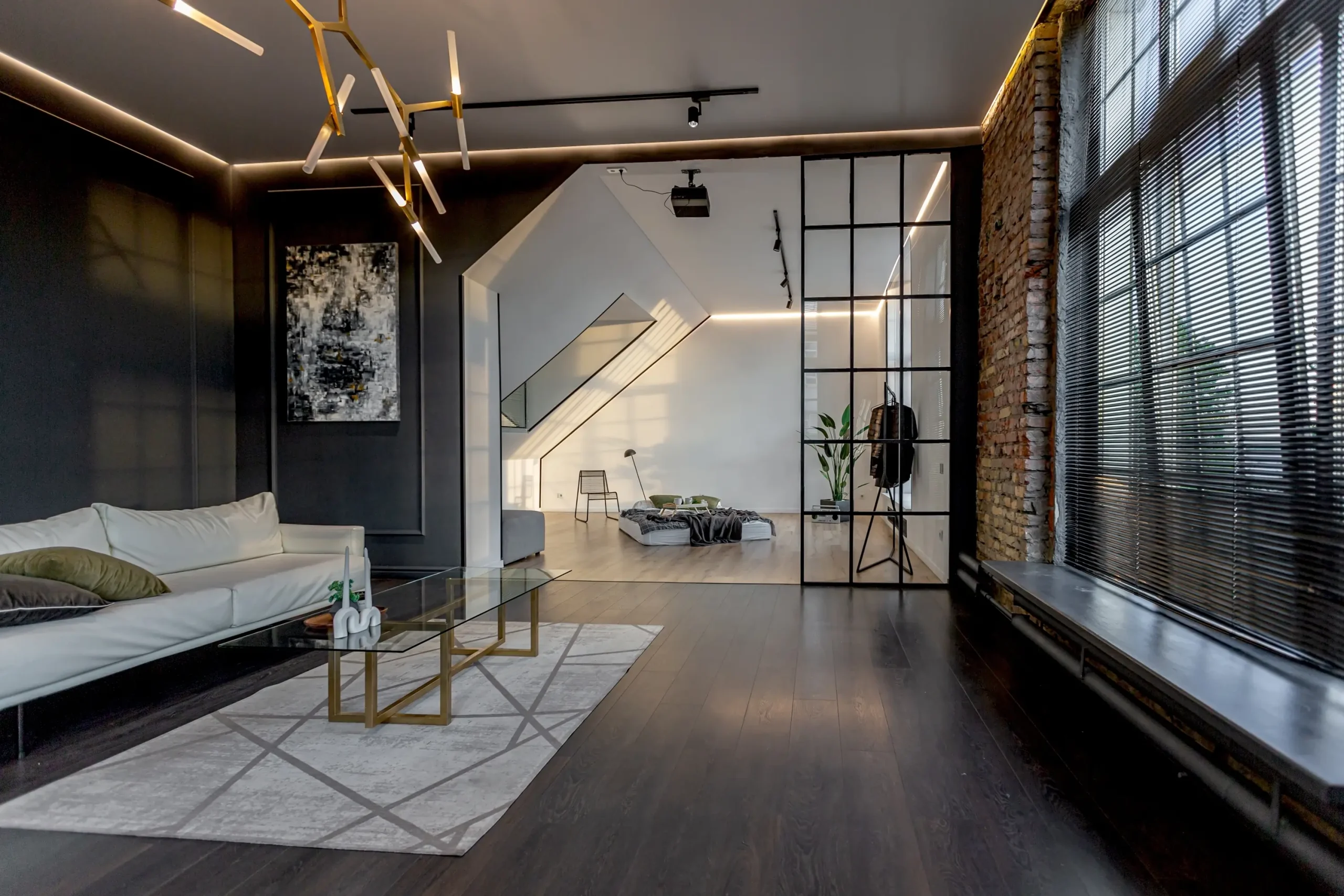
After framing, trades complete rough ins for plumbing, electrical, HVAC, and other systems. Inspectors must approve each stage before walls close.
This phase generally takes:
- 4 to 6 weeks with proper coordination
- Longer if inspections fail or revisions are required
Clear drawings and early coordination reduce conflicts between trades and help inspections pass smoothly.
Insulation, Drywall, and Interior Finishing
Once inspections pass, insulation, drywall, and interior finishes begin. At this stage, work continues steadily but includes many detailed tasks.
This portion of the build often takes:
- 2 to 3 months for standard finishes
- Longer for custom millwork or specialty materials
Supply delays and late finish changes are common causes of timeline extensions here.
Final Inspections and Occupancy
The final stage includes finishing details, final inspections, deficiency corrections, and occupancy approval.
In most cases, this phase takes:
- 2 to 4 weeks after substantial completion
- Longer if deficiencies are extensive or inspections are delayed
Occupancy approval marks the end of the main build timeline.
What Speeds Up or Slows Down a Custom Home Build
Several factors directly influence how quickly a custom home reaches completion.
Factors that speed up the process include:
- Early design decisions
- Complete drawings before permit submission
- Reliable trade availability
Factors that slow projects down include:
- Weather related delays
- Change orders during construction
- Permit revisions or failed inspections
The more work done upfront, the fewer interruptions occur later.
Setting Realistic Expectations From the Start
Most custom homes in Alberta take 10 to 14 months from initial design to occupancy. Larger homes, rural builds, or complex designs often take longer.
Homeowners who want clarity early can avoid frustration by reviewing timelines before construction begins. Those ready to discuss project readiness, scope, or scheduling can contact the Draw Designs team to walk through realistic expectations before committing to a build timeline.