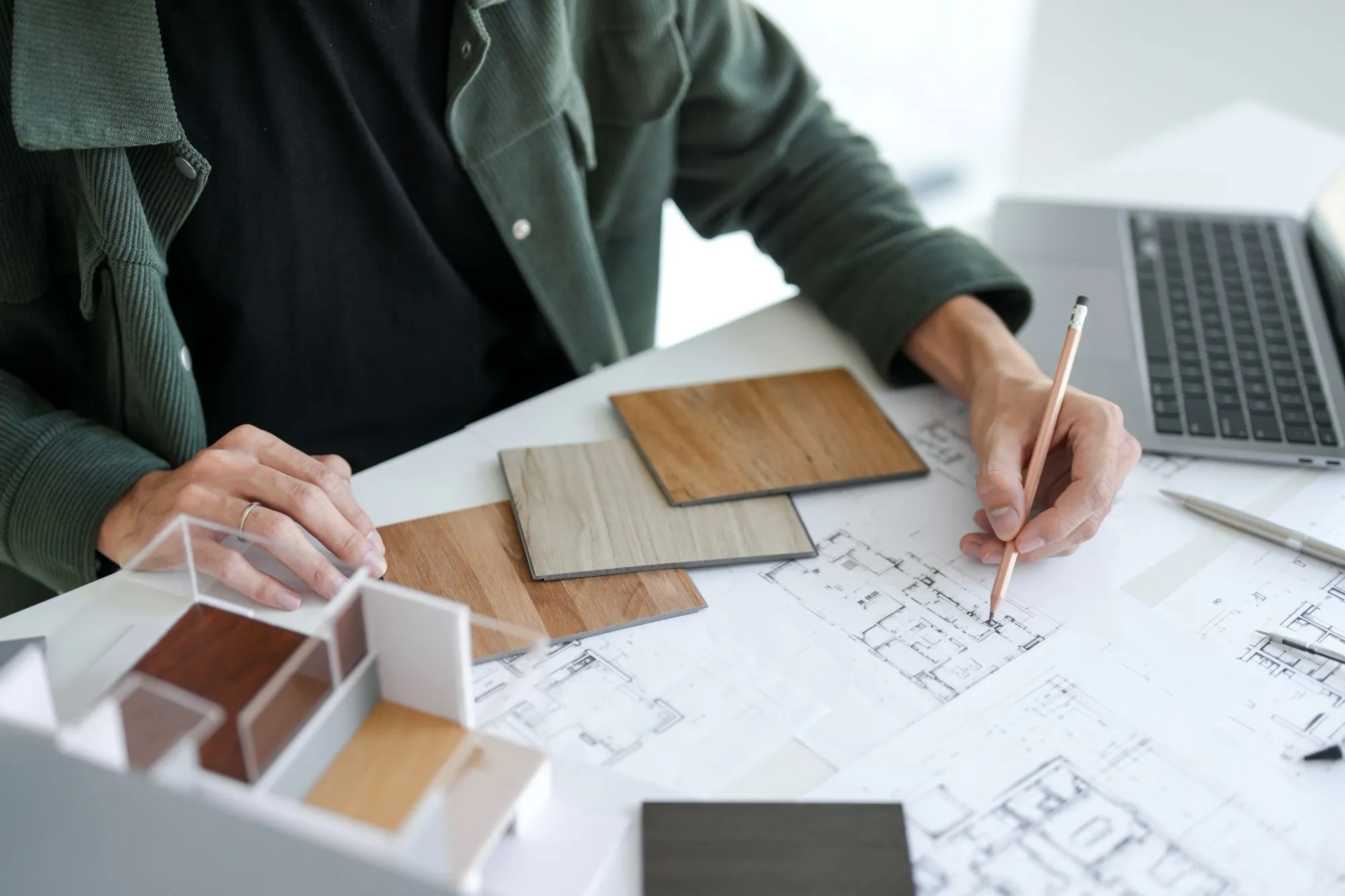
Overdesign vs practical design becomes a problem when decisions prioritize visual impact or features over how a home is actually used. Overdesign often introduces complexity without improving daily function, while practical design focuses on usability, efficiency, and long-term livability. DRAW Designs works with homeowners to align design intent with real-world use so that design decisions support both aesthetics and function.
What Overdesign Looks Like in Custom Home Projects
Overdesign is not defined by high-end finishes or customization alone. It occurs when features, layouts, or design elements add complexity without improving how the space performs in everyday use.
A practical way to identify overdesign is to evaluate whether each feature contributes to frequent use, improves spatial efficiency, or adds measurable functional value. If it does not, it may be adding complexity without benefit.
High-end or luxury features can still be practical if they support consistent use and integrate into the overall function of the home.
Feature Overload Without Functional Purpose
Feature overload happens when multiple design elements are added without a clear role in how the space will be used. This can include excessive built-ins, specialized rooms, or architectural elements that do not support daily living patterns.
Some redundancy can be functional, such as additional storage or secondary spaces, when tied to specific needs. The issue arises when features duplicate functions without improving usability. A practical evaluation method is to assess how often a feature will be used and whether it replaces or enhances an existing function. If it does neither, it may not justify inclusion.
Designing for Trends Instead of Long-Term Use
Designing around trends introduces the risk that the home will not age well. Trends that rely on specific layouts, niche materials, or highly stylized features are more likely to become outdated.
Some trends aligned with neutral frameworks or functional improvements may remain viable longer, especially when they support usability rather than visual novelty. The key distinction is whether the design choice contributes to long-term function or is driven primarily by current preference.
What Defines Practical, Functional Home Design
Practical design is based on how the home is used daily. It focuses on aligning layout, features, and systems with real-world routines and long-term usability.
This includes considerations such as kitchen workflow, storage access, and circulation between primary living areas. Practical design does not eliminate aesthetic choices, but it prioritizes function where tradeoffs exist.
Designing Around Daily Living Patterns
Functional design starts with understanding how occupants move through and use the space. This includes traffic flow, storage needs, activity zones, and how different areas connect.
These patterns are typically identified through client consultation, lifestyle analysis, and space usage planning before design decisions are finalized. Flexible layouts and multi-use spaces help accommodate changes in living patterns over time, reducing the need for future renovations.
Simplicity, Efficiency, and Maintainability
Practical design emphasizes simplicity in layout and systems. Fewer unnecessary features reduce complexity during construction and lower the risk of coordination issues. Simplicity may limit visual complexity, but it improves usability and reduces long-term operational burden.
Maintainability includes selecting materials that are durable and manageable, ensuring access to mechanical systems for servicing, and designing spaces that are easy to clean and repair over time.
Where Overdesign Creates Real Problems
Overdesign introduces issues that can appear during construction or after occupancy, depending on the nature of the complexity.
Increased Build Complexity and Coordination Issues
Complex designs require more coordination between trades, more detailed planning, and tighter tolerances during construction.
More components and dependencies increase the likelihood of misalignment, delays, and execution errors. Complexity may be justified when it directly supports a required function or performance outcome, but unnecessary complexity increases risk without added benefit.
Higher Maintenance and Long-Term Costs
Overdesigned homes often include features and materials that require more maintenance. This can involve specialized cleaning, servicing, or replacement over time.
Systems with more moving parts, custom integrations, or specialized materials tend to have higher failure risk and increased maintenance requirements. This often results in more frequent servicing and higher replacement costs over the life of the home.
Spaces That Look Good but Don’t Function Well
A space can meet visual expectations but fail in practical use. This often occurs when layout decisions prioritize symmetry, focal points, or design statements over usability.
These issues can be identified before construction through layout testing, plan review, and 3D modeling, which reveal circulation problems and usability constraints.
Most layout-related issues are difficult to correct after construction and typically require renovation rather than minor adjustments.
Tradeoffs Between Design Ambition and Practical Use
Balancing design ambition with practicality requires understanding the tradeoffs between visual impact and long-term usability. Prioritization should be based on frequency of use, long-term impact, and adaptability.
Aesthetic Impact vs Usability
Aesthetic-driven decisions can enhance visual appeal but may reduce usability if they interfere with layout efficiency or functional access. Minor usability compromises may be acceptable if they do not affect core daily functions, such as movement, storage, or accessibility.
Custom Features vs Flexibility Over Time
Custom features can add value when they are tied to specific needs. However, highly specialized features such as fixed built-ins, rigid layouts, or single-purpose rooms can reduce flexibility over time. Custom features can be designed for flexibility by using modular elements or multi-use spaces that allow for adaptation without major structural changes.
Key Signals You May Be Overdesigning
- Features are added without a clear use case tied to daily routines
- Layout decisions prioritize appearance over movement or access
- Multiple specialized spaces serve infrequent or overlapping functions
- Materials or systems require ongoing maintenance beyond typical expectations
- Design elements limit future adaptability or reconfiguration
Multiple signals occurring together increase the likelihood that the design is overly complex rather than functionally optimized.
How to Strike the Right Balance in Your Home Design
Striking the right balance requires evaluating each design decision based on function, longevity, and usability rather than visual impact alone.
A practical decision framework includes assessing frequency of use, maintenance impact, and adaptability for each feature before finalizing it.
Design professionals typically guide this process through planning, consultation, and iterative review to ensure that design intent aligns with real-world use.
How DRAW Designs Balances Vision and Practicality in Custom Homes
DRAW Designs integrates design intent with functional requirements to reduce the risk of overdesign.
Their process includes design reviews, layout validation, and system coordination to identify inefficiencies such as circulation issues, underused space, excessive feature complexity, and coordination conflicts before construction begins.
Through detailed planning, 3D renderings, and construction drawings, design decisions are evaluated and refined in advance. This allows clients to confirm that layouts, features, and systems support both aesthetics and usability while minimizing long-term inefficiencies.