Passive design helps Edmonton homeowners reduce heating costs, improve comfort, and create homes that perform better throughout the year. Many clients work with DRAW Design Studios to plan homes that take advantage of the winter sun, limit heat loss, and use smart building geometry to support long term efficiency. With passive strategies included early in the design process, homes stay warmer naturally and rely less on mechanical heating systems.
What Passive Design Means for Cold Climate Homes
Passive design uses natural forces such as sunlight, shading, airflow, and orientation to maintain comfortable temperatures with minimal energy use. In Edmonton, where winters are long and cold, these strategies significantly reduce heating demand. When insulation, air sealing, and window placement are optimized, homeowners gain a noticeable improvement in comfort and energy performance.
Passive Solar Orientation and Window Placement
Orientation plays a major role in how effectively a home captures winter sun. South facing windows collect low angle sunlight, which helps warm interior spaces throughout the day. Because Edmonton sits far north, the sun remains low in winter, making the height and placement of windows especially important. Larger windows on the south side improve solar gain, while smaller windows on the north limit heat loss. Glazing choices also support comfort by controlling heat transfer during extreme temperatures.
Daylighting for Comfort and Reduced Energy Use
Daylighting brightens the home by using natural sunlight rather than artificial lighting. Strategic window placement, reflective interior surfaces, and open layouts help spread light evenly through the living space. Edmonton winters bring shorter daylight hours, so maximizing natural light reduces the need for electrical lighting and creates a more inviting environment.
Using Thermal Mass to Store and Release Heat
Thermal mass helps stabilize indoor temperatures by storing heat during the day and releasing it slowly afterward. Materials such as concrete, tile, stone, and interior masonry walls work especially well because they absorb sunlight that enters through south facing windows. As temperatures drop in the evening, these materials release stored warmth and help keep indoor spaces comfortable. This natural heat regulation reduces the load on mechanical heating systems.
Insulation Levels That Work for Edmonton Winters
High quality insulation is essential in Alberta’s cold climate. Continuous exterior insulation reduces thermal bridging, which occurs when framing materials transfer heat through the wall. Attics, basements, rim joists, and above grade walls all benefit from higher insulation levels that match Edmonton’s long heating season. Better insulation supports stable indoor temperatures, reduces drafts, and improves energy efficiency.
Air Sealing Strategies to Reduce Heat Loss
Air leakage has a major impact on heat loss during winter. Air sealing focuses on closing gaps around doors, windows, plumbing penetrations, attic hatches, and framing joints. Blower door testing helps locate areas where air escapes so builders can seal them properly. When strong air barriers are in place, indoor air stays warmer and cold air stays out, leading to better comfort and lower heating bills.
How Roof Overhangs, Shading, and Building Shape Influence Energy Use
Roof overhangs and exterior shading elements regulate how much sunlight enters the home throughout the year. In winter, the low sun angle allows light to reach deep into south facing rooms. During summer, the same overhang blocks high angle sunlight and reduces unwanted heat gain. Building shape also plays a role. Compact designs lose less heat because they expose less exterior surface area to cold outdoor air. A thoughtful combination of shading, geometry, and façade design improves overall energy performance.
Designing Homes That Perform Better Through Winter and Summer
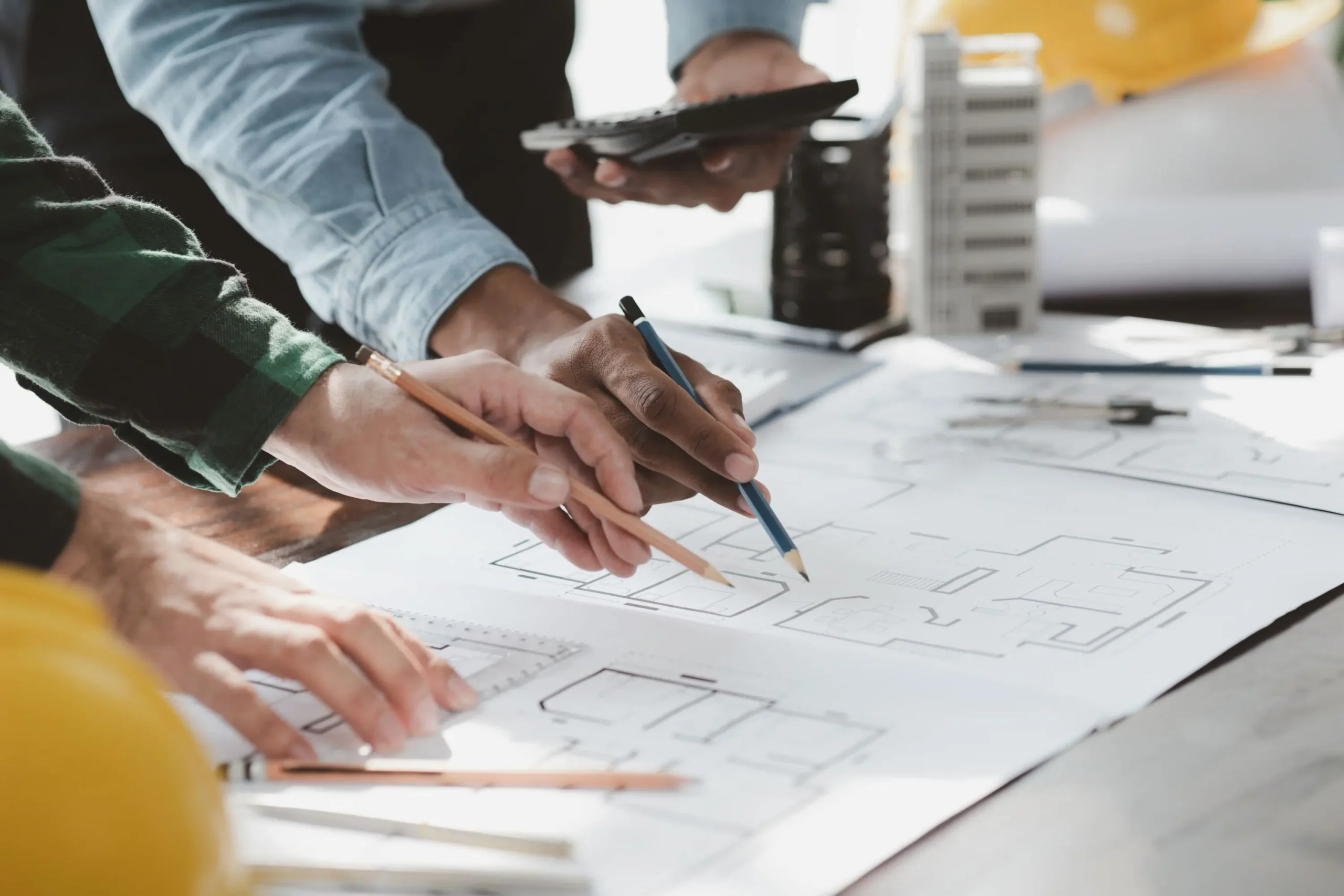
When passive strategies work together, the home maintains more stable indoor temperatures and uses significantly less energy. These design choices also reduce condensation risks and help building materials last longer by limiting moisture movement. Homes built with passive principles rely less on mechanical systems and remain comfortable through changing seasons.
When to Bring in a Professional
Homeowners planning a new build or major renovation can work with DRAW Design Studios to incorporate passive strategies into their layout, orientation, and building systems. Anyone ready to discuss project goals or explore design options can contact the team for support in creating a highly efficient home tailored for Edmonton’s climate.