

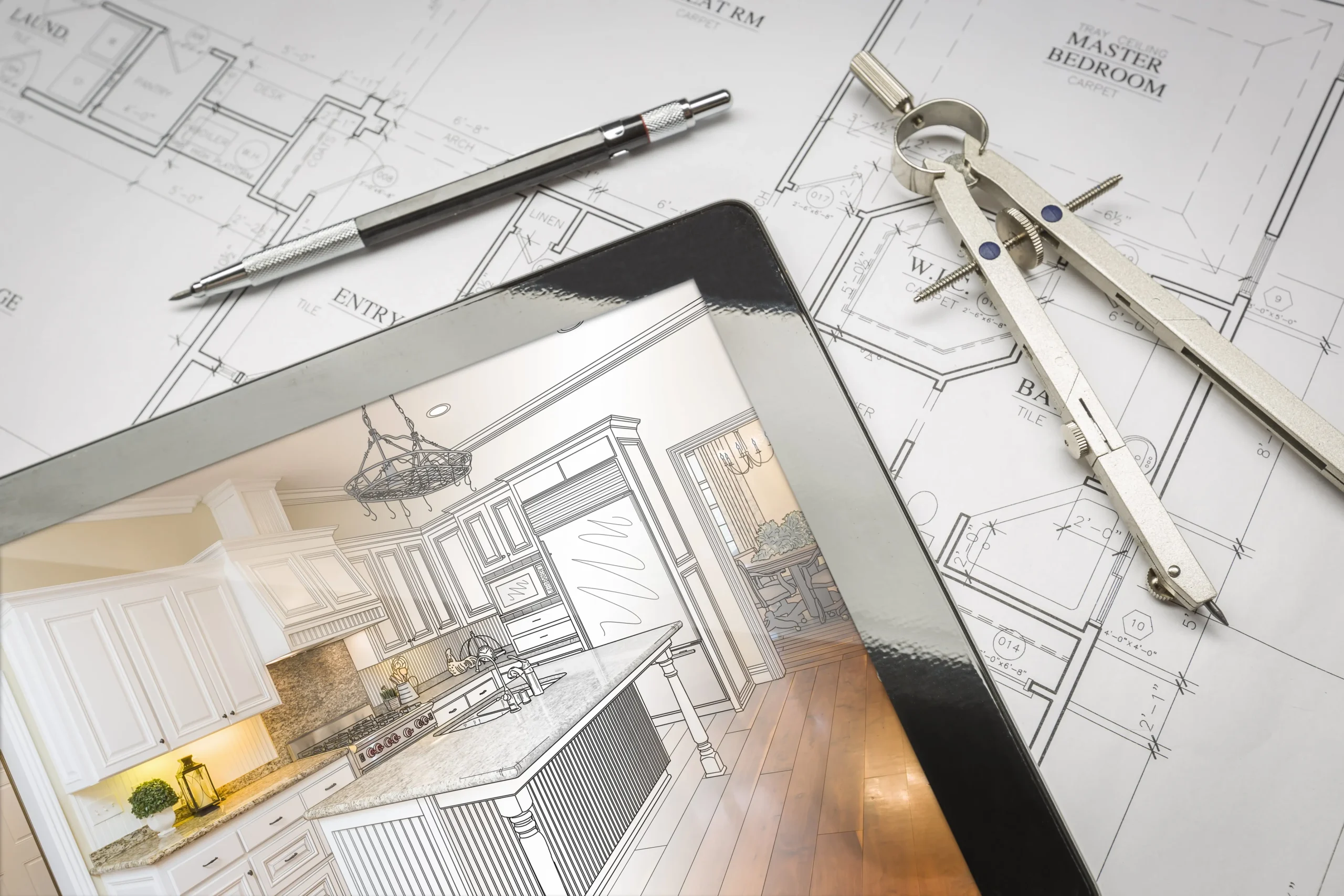
Every successful building project goes through multiple design stages before construction begins. Understanding the difference between schematic design and detailed design helps homeowners, developers, and business owners make informed decisions about their projects. At Draw Designs, we guide clients through both stages, ensuring concepts are transformed into precise, buildable plans that align with Alberta’s climate and regulations.
What Is Schematic Design?
Schematic design is the first major stage of a project. It focuses on turning your vision into a conceptual plan. During this phase, designers explore big-picture elements such as:
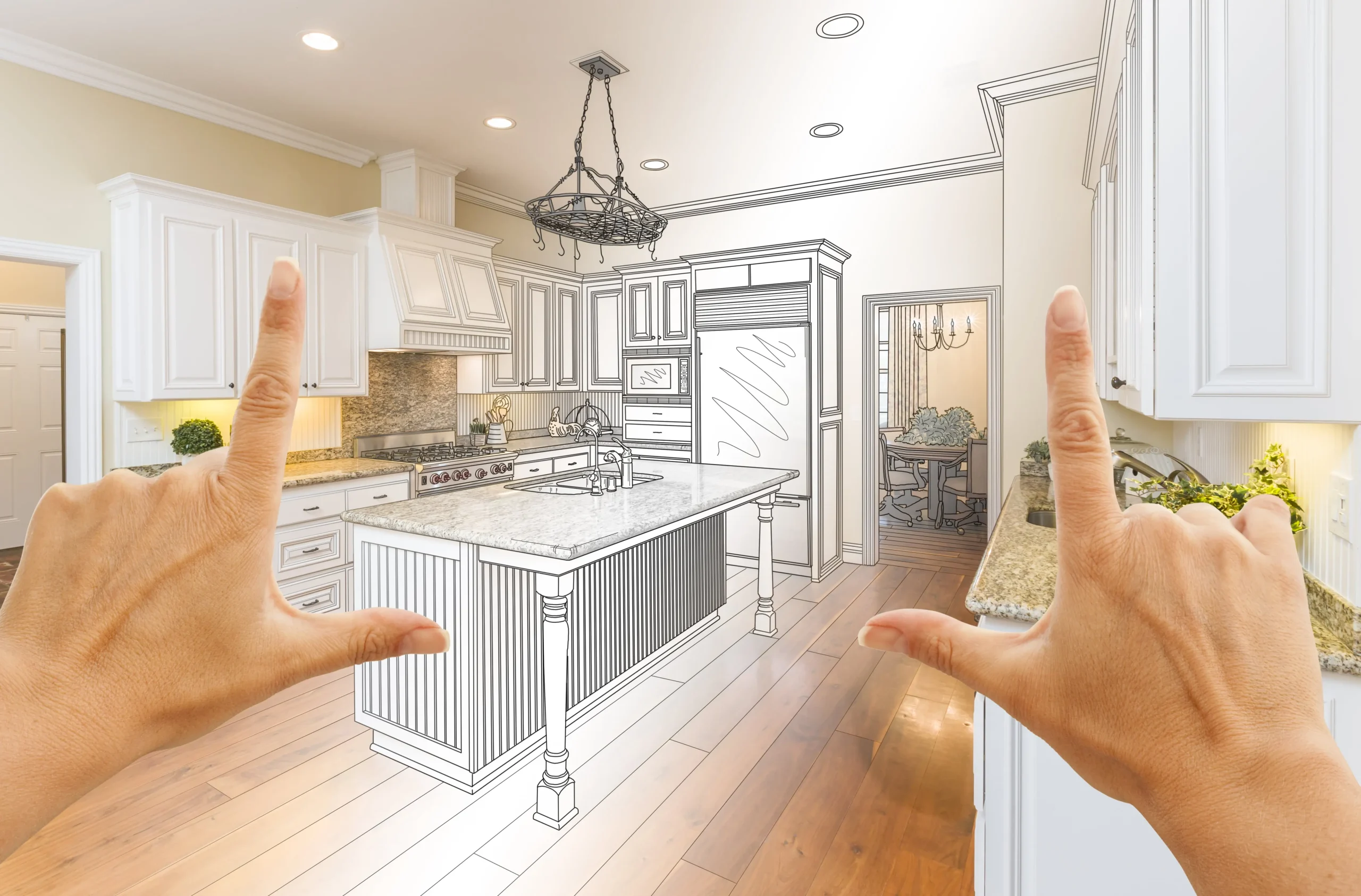
- Overall layout and spatial organization
- Circulation and flow between rooms or zones
- Massing and building shape
- Initial sketches or 3D visualizations for client feedback
The goal of schematic design is to provide a clear sense of how the building will function and feel. While not highly detailed, it sets the foundation for informed decision-making and helps determine early feasibility.
What Is Detailed Design?
Detailed design translates concepts into technical precision. In this stage, designers create complete construction drawings and specifications that contractors rely on to build. Detailed design includes:
- Exact dimensions and room measurements
- Material and finish selections
- Mechanical, electrical, and plumbing systems
- Code compliance for safety and efficiency
This phase ensures that every part of the project meets building standards and coordinates seamlessly with contractors.
How Schematic Design Guides Early Decisions
Schematic design is where cost and feasibility discussions begin. With layouts and massing in place, preliminary cost estimates can be created. Clients can explore different layouts, identify potential challenges, and make design choices before significant resources are committed. This stage is also useful for aligning the design with zoning regulations and municipal requirements.
How Detailed Design Supports Construction Success
Once a project moves into detailed design, builders gain everything needed to price, permit, and coordinate construction. Accurate plans minimize surprises during building, reducing costly change orders and delays. Detailed design also improves communication between clients, architects, engineers, and contractors, ensuring everyone works from the same precise set of drawings.
Alberta-Specific Factors to Consider in Design Stages
Design in Alberta requires attention to climate and local codes. For example:
- Insulation levels must meet energy efficiency standards for cold winters
- Roofs must be engineered for snow loads
- Drainage and grading must account for freeze-thaw cycles
- Energy efficiency regulations influence window and HVAC system selection
Addressing these factors early in schematic design avoids costly changes later in detailed design.
From Concept to Completion With Professional Guidance
Both schematic and detailed design are essential to a project’s success. Schematic design provides the vision, while detailed design provides the precision. At Draw Designs, our team offers complete design services, from conceptual sketches to construction drawings and blueprints. We also provide drafting, 3D renderings, and space planning to give you confidence at every stage. Learn more about our process or contact us today to get started.